Back to the blog
3 Aug 2026

3 Aug 2026
Where the money actually goes, why two identical cars can quote differently, and what to have ready before you ask for a price.
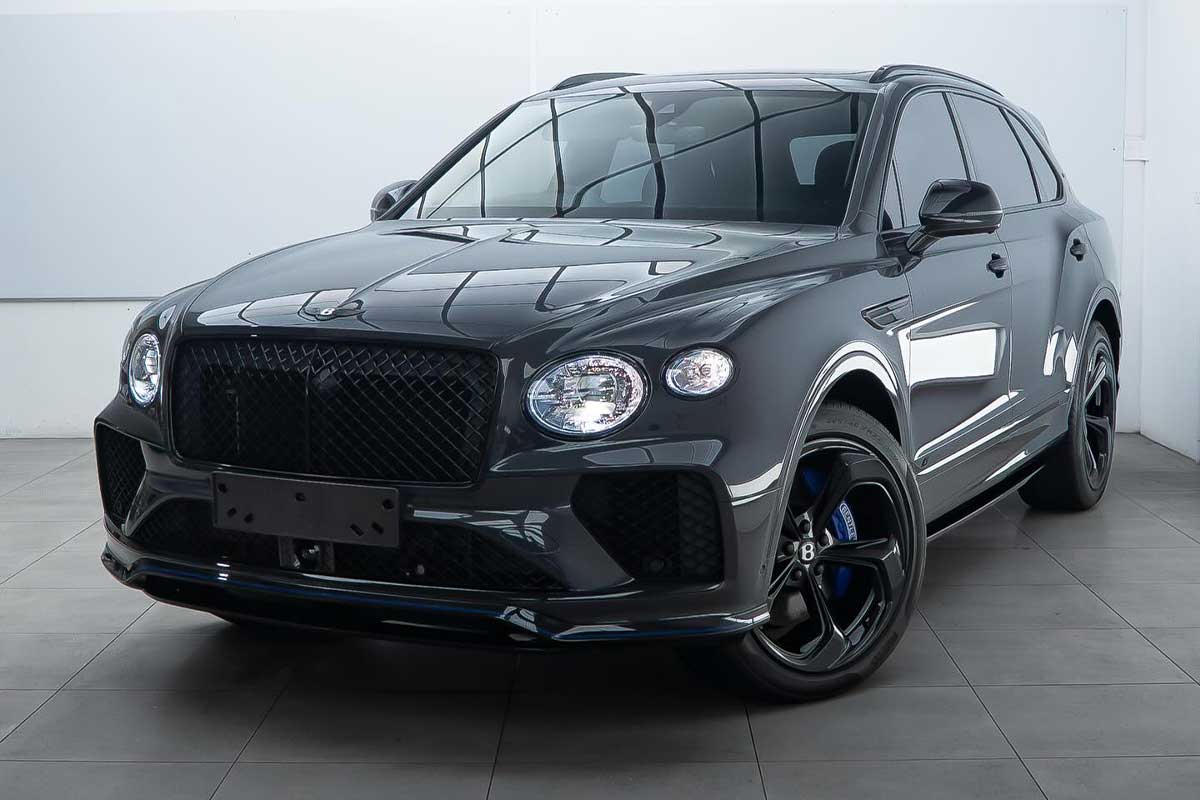
How much does ceramic coating cost? It is the question that decides whether most people book one, and the answers online range so widely that they are close to useless. Part of that is genuine variation, and part of it is that "ceramic coating" covers everything from a bottle bought online to two days of skilled work.
This guide explains what sits behind a coating quote, why the paint matters more than the panel count, and what to have ready so the number you are given is one you can rely on. For the service itself, see our ceramic coating page.
The short answer
The variables
When people ask how much does ceramic coating cost, they are usually picturing the product. In practice a coating quote is mostly a labour quote. The bottle goes on in a fraction of the time it takes to get the paint ready for it, and that preparation is where the quality of the finished job is decided.
Condition of the paint. The single biggest variable. Swirl-heavy or neglected paint needs hours of correction before anything is applied.
Size of the vehicle. More surface area means more decontamination, more correction passes and more coating to lay down evenly.
Complexity of the body. Tight recesses, spoilers, vents and trim all slow the work and need masking that a flat-sided vehicle does not.
How much you are coating. Paint only, or paint plus wheels, glass, trim and interior surfaces. Each addition is more time and more product.
The coating specified. Products differ in durability, layer count and application difficulty, and those differences show up in the quote.
Existing coatings or sealants. Anything already on the paint has to come off first, which adds a step before work can even start.
A coating is transparent and it bonds to whatever is beneath it. Swirls, etching and bonded contamination present on the day are sealed in and become far harder to remove afterwards. That is why a cheap quote with no correction is rarely the bargain it appears to be.
The obvious comparison
Consumer kits are widely available and cost a fraction of a professional job, which makes the comparison look lopsided until you account for what each price actually includes.
| DIY kit | Professional application | |
|---|---|---|
| Paint correction | Not included, done by you if at all | Assessed and carried out before coating |
| Decontamination | Basic wash and whatever the kit provides | Full chemical and mechanical decontamination |
| Environment | Driveway or home garage | Controlled indoor space with proper lighting |
| Application skill | First attempt, on your own car | Trained installers working to a repeatable process |
| Fixing mistakes | High spots need machine polishing to remove | Corrected during application before it cures |
| Recourse | Product warranty at best | Workmanship you can raise with someone |
| Time cost | A weekend, often two | The car is dropped off |
A DIY kit on paint that is already in good condition can give a genuine improvement, and for a well-kept car that lives in a garage it may be all you want. The gap opens up on paint that needs work first, because correction is the part a bottle cannot do and the part that decides how the finish looks for the next few years.
There is also a risk worth naming. High spots and streaks that cure in place are difficult to remove without machine polishing, so a first attempt that goes badly can end up costing more to put right than the professional job would have.
By vehicle type
Vehicle size sets the surface area, which sets how long decontamination, correction and application each take. Here is how the common categories compare with one another.
Those bands describe surface area rather than final price, and the spread inside each one is wide. A three-year-old garaged sedan with healthy paint can be quicker to prepare than a small hatch that has been through automatic car washes for years. That is why size alone never produces a reliable figure.
4WDs and dual cabs frequently need more than the surface area suggests, because touring vehicles arrive with bonded contamination, bug residue and road film that has been baking on for months.
Interactive
Set the three below to match your vehicle. The tool shows how that combination compares with the other options described on this page, which is a useful way to sanity-check how much does ceramic coating cost for a car like yours before you ask.
A comparison guide, not a price. Every coating is quoted on the actual vehicle.
A sedan or wagon in good condition with light swirls, coating the paint only, sits towards the middle of what we work on.
Get a quote for this combinationThis shows how the options compare with each other, not a price or a price range. It cannot see your paint, which is the factor that most affects how many hours the job takes. Only an inspection gives you a figure.
What you keep
The value of a coating is spread over the years you own the car rather than delivered on the day. Judging it on the invoice alone misses most of what you are buying.
01
Washing gets faster because dirt releases more easily, and the recurring cycle of waxing largely stops.
02
If the paint was polished before coating, that finish is sealed in rather than degrading under repeated washing.
03
Resisting etching and staining now avoids paying for correction later, which is the expensive end of the problem.
04
Buyers respond to paint that looks cared for, and a coated car generally presents better than an equivalent uncoated one.
Warranty terms vary a great deal between products and installers, so treat the word itself as the start of a conversation rather than an answer. Before you book, get these in writing.
What is actually covered. Most warranties relate to the performance of the coating, such as gloss retention or hydrophobic behaviour, rather than to the paint underneath it.
How long it runs. Durability differs between products and between the number of layers applied, so the term should be tied to what was actually put on your car.
What would void it. Many warranties carry conditions on washing method, chemicals used and whether automatic car washes are permitted.
Whether inspections are required. Some terms depend on periodic checks or maintenance washes, and missing those can end the cover.
A warranty is worth having, but the maintenance conditions attached to it are the part most owners overlook. Read them before you sign rather than after something goes wrong.
Getting a real number
Since paint condition drives the hours, any answer to how much does ceramic coating cost given without seeing the paint is a guess. You can narrow it considerably by arriving with the right information.
Make, model and year. This sets the surface area and flags anything unusual about the body or the factory finish.
Honest paint condition. Swirls, fading, etching from droppings, or any panels that have been resprayed. Understating this only moves the surprise later.
What has been on it before. Previous coatings, sealants or waxes have to be removed first, and knowing what is there saves time.
Where it lives and how it is washed. This shapes the recommendation as much as the price, and tells us what the coating will be up against.
Photographs in daylight. Shots in indirect natural light show swirls and dullness far better than a garage or a phone flash.
Then ask what the quote includes. A figure that covers decontamination and correction is not comparable with one that covers application alone, even though both are described as ceramic coating. Comparing quotes without checking that is the most common way people end up disappointed.
Related pages
Common questions
Ready for a real number?
Send through your make, model and a few daylight photos of the paint. We will come back with a tailored quote rather than a range, with no obligation.
Get a Free Quote