Back to the blog
3 Aug 2026

3 Aug 2026
What determines how many years you get out of a wrap, how to stretch it further, and how to tell when it has had enough.
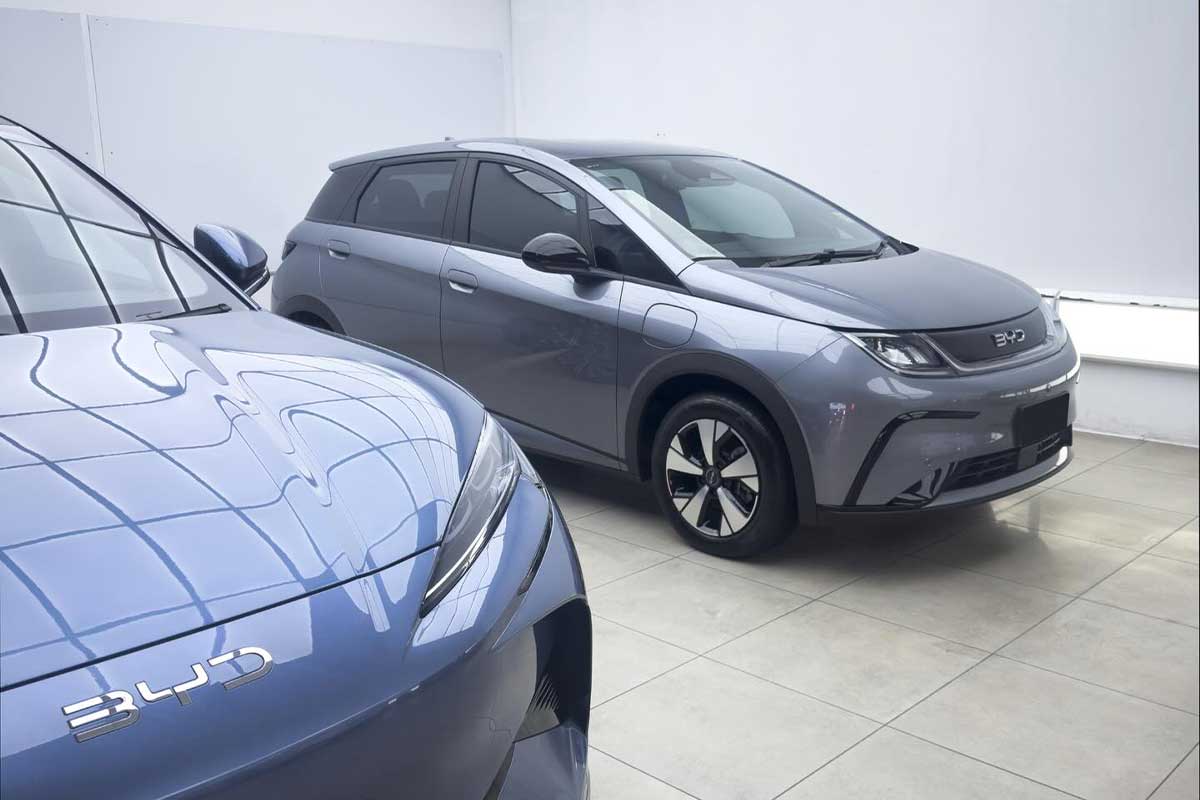
How long does a vehicle wrap last? It is the question most owners ask right before they commit, and understandably so. A wrap is an investment in how your car looks, and you want to know whether you are buying a few good summers or the better part of a decade.
Film quality, sun exposure, washing and the condition of each panel all affect lifespan. This guide explains what shortens wrap life and when to consult a specialist vinyl installer about replacement.
The short answer
What to expect
When people ask how long does a vehicle wrap last, they usually want a single number, and there is not one, because a wrap is not one product used in one way. What can be said confidently is that quality cast vinyl, fitted properly and maintained sensibly, is measured in years rather than months. Cheaper calendered film is a different proposition entirely and tends to show its age quickly.
Cast vinyl is manufactured in a way that leaves it dimensionally stable, so it conforms to curves and stays where the installer put it. Calendered film is stretched during production and retains a memory of its original flat shape, which is why it pulls back from recesses and lifts at edges far sooner. That difference in behaviour is most of the difference in lifespan.
The relative exposure below is worth understanding, because it explains why a wrap can look perfect from the side and tired from above.
Because ageing is uneven, a tired roof does not always mean a full rewrap. Individual panels can often be replaced, which is worth asking about before committing to doing the whole car again.
The variables
Two identical cars wrapped on the same day in the same film can be in very different condition three years later. These are the reasons why.
Sun exposure. The biggest factor by some distance. Australian UV is punishing, and a car parked outdoors all day ages far faster than a garaged one.
Heat cycling. Panels that get very hot then cool overnight expand and contract repeatedly, which stresses the film and its adhesive over time.
Film quality. Premium cast vinyl is engineered for vehicle contours and long outdoor exposure. Budget film is not, and the gap widens every year.
Installation quality. Properly wrapped edges and correctly relieved tension around recesses are what stop lifting. Rushed work fails at the corners first.
Washing habits. Automatic brush washes, harsh chemicals and pressure aimed at seams all take years off a wrap faster than driving ever will.
Contaminants left sitting. Bird droppings, sap and fuel spills are acidic or solvent-based. Left on the film in heat, they stain and etch it permanently.
Finish plays a part too. Matte and satin films cannot be polished the way gloss can, so marks that would buff out of a gloss wrap are permanent on a matte one. Chrome and colour-shift films are similarly less forgiving. None of that makes them a poor choice, but it does mean they reward careful washing more.
Getting more from it
Maintenance is the part you control, and it changes the answer to how long does a vehicle wrap last more than most owners expect. None of it is difficult, but it does need to be consistent.
Hand wash with a soft mitt. Use a gentle car shampoo and two buckets. Contact is what causes marring, so less pressure and a clean mitt beat scrubbing every time.
Deal with contaminants quickly. Bird droppings, sap and bug residue do their damage while they sit. Removing them the same day prevents most staining.
Park in shade or under cover. Every hour out of direct sun is an hour the film is not ageing. A carport genuinely changes the outcome over years.
Dry with a clean microfibre. Letting a wrapped car air dry leaves mineral deposits behind, which are harder to remove from matte finishes in particular.
| Avoid | Why it matters |
|---|---|
| Automatic brush washes | Brushes catch edges and seams, lifting film and scuffing the finish |
| Pressure washing seams | High pressure at an edge can force water and lift the vinyl underneath |
| Solvent-based cleaners | Petrol, thinners and harsh degreasers can soften or discolour the film |
| Abrasive polish or cutting compound | Designed for paint, not vinyl. It will dull and damage the surface |
| Scraping ice or hard debris | Vinyl is softer than clear coat and scratches or tears more readily |
| Leaving fuel spills | Fuel attacks the film around the filler area if not rinsed promptly |
Some owners add a ceramic coating over their vinyl to make washing easier and add gloss. It will not stop UV ageing, but a slicker surface means contamination comes off sooner and with less contact, which helps indirectly. You can read more on our ceramic coating page.
Knowing when
A wrap rarely fails suddenly. It gives you plenty of warning, and acting on that warning is what keeps removal simple and your paint intact.
01
Film pulling away around handles, mirrors, bumpers or panel gaps. Once an edge lifts, dirt and water get underneath and it spreads.
02
Sun-facing panels drifting away from the shade on the doors is the clearest sign the film has taken all the UV it can.
03
Fine cracks, a chalky surface or film that feels brittle mean the vinyl has hardened and will tear rather than peel on removal.
04
Marks from droppings, sap or fuel that stay after a proper wash have etched into the film rather than sitting on it.
05
Adhesive failure showing as raised patches or creases that were not there before. It rarely improves on its own.
06
A gloss wrap looking flat, or a matte wrap going patchy and shiny in wear areas, means the top layer is spent.
Removing a wrap while the film is still healthy is straightforward and leaves the paint underneath as it was. Vinyl left well past its life becomes brittle, tears into small pieces and can leave adhesive behind, which turns a simple job into a slow and costly one.
Interactive
Walk around your car and tick anything you can see. The more that applies, the closer it is to needing attention.
A guide based on the signs above, not a substitute for someone looking at the car.
Nothing ticked, so your wrap appears to be holding up. Keep washing it by hand and dealing with contaminants promptly.
This reflects the warning signs described above. It cannot see the film, the panel edges or the paint underneath, which is what actually determines whether a wrap should be removed now or can safely wait.
Related pages
Common questions