Back to the blog
3 Aug 2026

3 Aug 2026
What you actually get for the money, where a coating earns its keep, and the jobs it will not do.
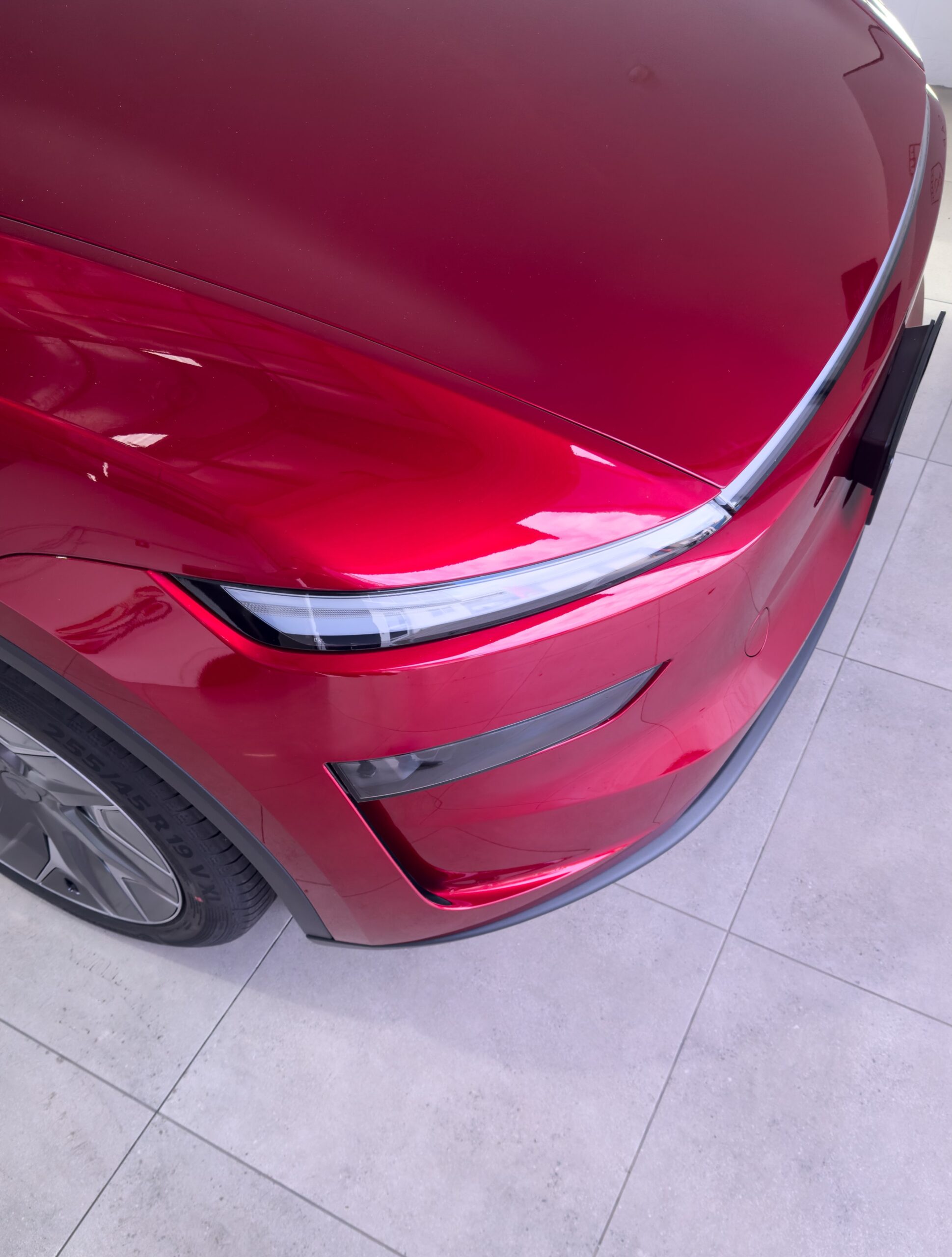
Is ceramic coating worth it? It is a fair question, because a coating is not a small spend and the marketing around it tends to promise more than any product can deliver. The honest answer depends less on the coating itself and more on how you use and store your car.
This guide sets out what you are actually buying, where a coating pays you back, and just as importantly where it does not. If you want the service details rather than the reasoning, you can go straight to our ceramic coating page.
The short answer
The money question
A ceramic coating costs more upfront than a wax or a sealant, and that single comparison is where most people stall. It is the wrong comparison, because you are not buying the same thing. Wax is a consumable you reapply every few months. A coating is a one-off application that bonds to the clear coat and stays there.
The useful way to think about it is total effort and total spend across the years you own the car, not the invoice on the day.
Repeat applications stop. The recurring cost and weekend hours of re-waxing largely go away, which is where the coating starts closing the gap.
Washing gets faster. Dirt releases more easily from a slick surface, so each wash takes less time and less product.
Correction work is protected. If the paint is polished before coating, that finish is sealed in rather than degrading under repeated washing.
The paint ages better. Resisting etching and staining now is far cheaper than paying to correct it later.
Most of the cost of a quality coating is not the bottle. It is the preparation: decontaminating and correcting the paint so the coating bonds to a clean, refined surface. A coating applied over neglected paint locks in the defects.
What it defends against
Australian conditions are hard on paint. Strong UV, summer heat, bird droppings, tree sap, bug splatter, road grime and salt air near the coast all attack a clear coat in different ways. A coating is a sacrificial chemical barrier that takes that contact instead of your paint.
01
Helps shield the clear coat from constant sun, which is what dulls and oxidises unprotected paint over time.
02
These are acidic and can etch paint quickly in heat. A coating buys you time to remove them before they bite.
03
Contaminants bond less readily to a coated surface, so they lift off during a normal wash rather than needing scrubbing.
04
Water beads and runs off rather than sitting on the panel, which reduces the mineral deposits left behind as it dries.
Be clear about the limit. A coating is a chemical barrier, not a physical one. It adds hardness at a microscopic level and helps against light marring from washing, but it will not absorb a stone chip or a trolley scrape. If impact protection is what you want, Paint Protection Film is the product engineered for it, and the two work well together on the same vehicle.
The day to day
This is the benefit owners notice first and value most, and it is the one that is hardest to appreciate until you live with it. A coated surface is slick and hydrophobic, so water and dirt struggle to hold on.
Less scrubbing. Contamination sits on top of the coating rather than keying into the clear coat, so most of it releases with a gentle wash instead of pressure and effort.
Water sheets off. Rinse water carries dirt away and drains rather than pooling, so there is less to dry and fewer spots left behind.
Fewer wash marks. Because you need less contact to get the car clean, you introduce fewer of the fine swirls that washing itself causes.
It stays cleaner between washes. Light dust and road film do not cling the way they do to bare paint, so the car looks presentable for longer.
What a coating does not do is keep the car clean by itself. You still need to wash it, and washing it properly is still what keeps it looking its best. The difference is that the job gets faster and less punishing.
Appearance and value
A coating adds depth and a candy-like reflectivity that bare clear coat does not have on its own. On dark colours the effect is dramatic. On light colours it shows up more as sharpness and clarity in the reflections than as obvious shine.
The resale argument is more indirect than most marketing suggests, and it is worth being precise about it. A buyer is not paying extra because a coating was applied. A buyer is paying more because the paint looks better than the equivalent car parked next to it.
Swirl-free, unfaded, unetched paint reads as a car that has been looked after, and that impression carries into what someone will offer for it. A coating helps the paint arrive at that point with far less effort from you.
If you have the coating done professionally, keep the record with your service history. It supports the story that the car has been maintained rather than just cleaned before the photos were taken.
Head to head
Wax and ceramic coating are often discussed as competitors, but they behave completely differently on the paint. Wax is a soft layer that sits on the surface and wears away. A coating bonds chemically to the clear coat and forms a hard, semi-permanent layer.
| Traditional wax | Ceramic coating | |
|---|---|---|
| How it bonds | Sits on the paint as a soft layer | Bonds chemically to the clear coat |
| Durability | Wears off, needs frequent reapplication | Semi-permanent, measured in years not months |
| Heat and detergent | Breaks down readily under both | Far more resistant to both |
| Water behaviour | Beads while fresh, fades quickly | Strongly hydrophobic and lasting |
| Gloss character | Warm, soft glow | Sharp, deep, glassy reflection |
| Ongoing effort | Reapply every few months | Wash normally, occasional maintenance |
| Upfront cost | Low each time, repeated forever | Higher once, then largely done |
If you enjoy detailing your own car on a Sunday, wax is a perfectly reasonable choice and costs little each time. If you would rather the car simply stayed looking good with less of your time, that is the trade you are making. Is ceramic coating worth it? For that owner, generally yes.
Your situation
The answer changes a lot depending on where the car sleeps, how much it is driven and how you feel about washing it. Set the three below to match your situation.
A guide to how much you would get out of a coating, not a quote.
A car kept under a carport and driven regularly picks up enough contamination that the easier washing and added protection are worth having.
Talk to us about your carThis reflects how much use you would get from a coating, based on the trade-offs described above. It is not a price, and it cannot see the current condition of your paint, which is what determines the preparation work needed.
Related pages
Common questions
Still weighing it up?
Tell us about your car, where it is kept and what condition the paint is in. We will tell you honestly what a coating would do for it, with no obligation.
Get a Free Quote