Back to the blog
3 Aug 2026

3 Aug 2026
What you are really comparing when you weigh the cost of film against the cost of living without it.
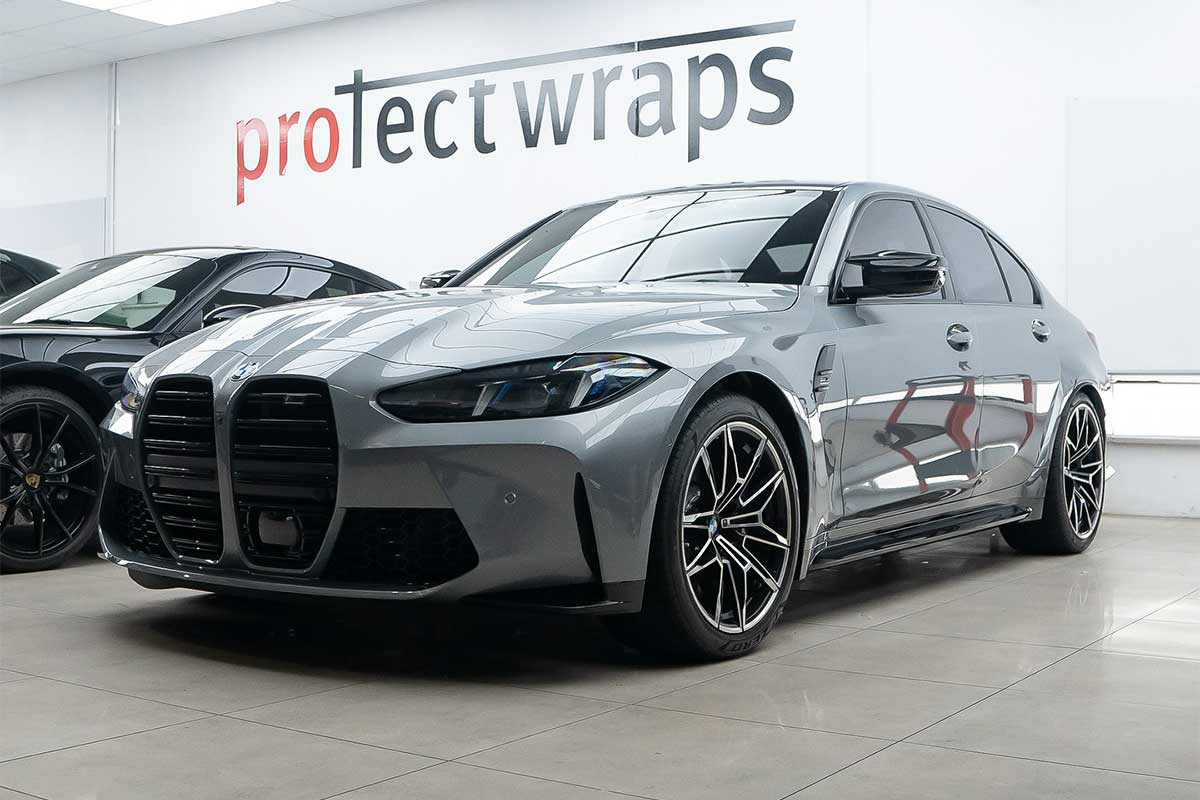
Is paint protection film worth it? Most people ask that while looking at a quote, which frames the whole question around one number. The more useful comparison is between two paths: the car with film on it, and the same car three years later without.
This guide sets out what you are actually buying, where the money comes back, and who genuinely does not need it. For the service itself, see our paint protection film page.
The short answer
The real comparison
People usually decide whether is paint protection film worth it by looking at the quote alone. That leaves out the other side of the ledger. Film is a known cost paid once, at a time you choose. Paint damage is an unknown cost paid at a time you do not choose, usually when the car is otherwise fine and you had other plans for the money.
That difference in timing matters more than most quotes make clear. A stone chip on a bonnet is rarely urgent enough to fix immediately, so it waits. Then another arrives, and by the time the panel justifies attention you are looking at a respray rather than a touch-up.
| Paint protection film | Repairing the damage later | |
|---|---|---|
| When you pay | Once, at a time you choose | Unpredictably, when damage forces it |
| What you end up with | Original factory paint, untouched | A repainted panel, however good the match |
| Effect on the car | Reversible, film comes off cleanly | Permanent change to the paint history |
| Ongoing exposure | Covered panels keep taking the hits | The repaired panel is exposed again immediately |
| Disclosure at sale | Nothing to declare | Repaint typically shows on inspection |
| Scope of work | Chosen coverage, planned in advance | Whatever the damage dictates on the day |
Repairs rarely stay confined to the chip. Matching modern paint often means blending into neighbouring panels, so a small area of damage can pull a larger section of the car into the job.
What you protect
Factory paint is applied in conditions no workshop can reproduce, and buyers know it. A car that has never needed paintwork carries a different story to one that has, even when the repair was excellent.
01
The film takes the impact rather than the clear coat, so the paint underneath stays as it left the factory.
02
No repaint means nothing to disclose and nothing for a paint depth gauge to find at inspection time.
03
Chip-free panels and unmarked edges read as a car that has been cared for, which is what shapes offers.
04
Removed properly at the right time, the film comes away cleanly and hands the car back in its original colour.
This is why film suits leased vehicles particularly well. You protect the car through the term, hand it back without paint damage to argue about, and the film leaves with you rather than becoming someone else's problem.
It also explains the appeal on prestige and low-volume cars, where originality is part of what the vehicle is worth. On those, protecting factory paint is not a maintenance decision so much as preserving the thing itself.
The part that is hard to price
Owners talk about this more than any other benefit, and it never appears on a quote, which is why is paint protection film worth it is such a hard question to answer on price alone. It is the difference between watching the truck ahead throwing gravel and simply driving.
Highway gravel. The most common source of chips, and the one you have least control over. Film covers the panels that catch it.
Car park contact. Door edges, handles and bumper corners take knocks from trolleys, bags and other doors.
Light swirls and marring. The self-healing top layer lets minor surface marks fade with warmth rather than settling in.
Bugs, tar and droppings. Acidic and stubborn contaminants meet the film first, so your clear coat is not what gets etched.
Gravel driveways and worksites. Regular exposure to loose surfaces is exactly the scenario film is designed around.
Actually using the car. The point is being able to drive it as intended rather than protecting it by leaving it parked.
One honest limit. Film absorbs impact, it does not make a car invulnerable. A large sharp stone at speed can still get through, and a deep gouge from a key will reach the paint. What film handles is the constant everyday attrition that turns a clean bonnet into a peppered one.
Running the numbers
Treating film as an investment only makes sense across the whole time you own the car. Judged on the invoice alone it is a cost, and the question of is paint protection film worth it never gets a fair hearing.
Avoided repair costs. Every chip that does not reach the paint is a repair you never book, and repairs are priced at whatever the panel needs rather than what you budgeted.
Stronger position at sale. Original paint and unmarked panels support the asking price. It is difficult to attribute a precise figure, but it is the difference between a buyer negotiating and a buyer agreeing.
Lease handback without arguments. Damage assessments at end of term are a common source of unexpected charges, and film removes most of what they would be assessing.
Time and hassle saved. Booking paintwork means quotes, a car off the road and a colour match to worry about. Not needing that has real value even if it never shows on paper.
It would be dishonest to pretend the maths works for everyone. A garaged car doing short suburban trips sees far less of what film is built to stop. An older vehicle with paint already chipped and faded gets less from preservation, since the finish being preserved is no longer original in feel. And if you plan to sell within a year, the payback window is short.
Coverage is the main lever on cost, and most impact damage lands on the front of the vehicle. Protecting the panels that actually take the hits is often the sensible middle ground between doing nothing and wrapping the entire car.
Interactive
Set the three below to match how you actually use the vehicle. The tool weighs the same factors described above and shows how strong the case is for your situation.
A guide to how much you would get from film, not a quote.
Mixed driving in a car a few years old that you plan to keep for two to three years puts you in the range where film generally pays its way.
Talk to us about coverageThis weighs the factors described in this article. It cannot see the current condition of your paint or which panels are already marked, both of which shape what coverage would actually suit the car.
Related pages
Common questions
Still weighing it up?
Tell us the vehicle, how and where you drive, and how long you plan to keep it. We will recommend the coverage that suits, with no obligation.
Get a Free Quote