Back to the blog
14 Oct 2026

14 Oct 2026
Protect Wraps · Paint protection guide
A practical look at the protection, cost and trade-offs before you choose a Tesla PPF package.
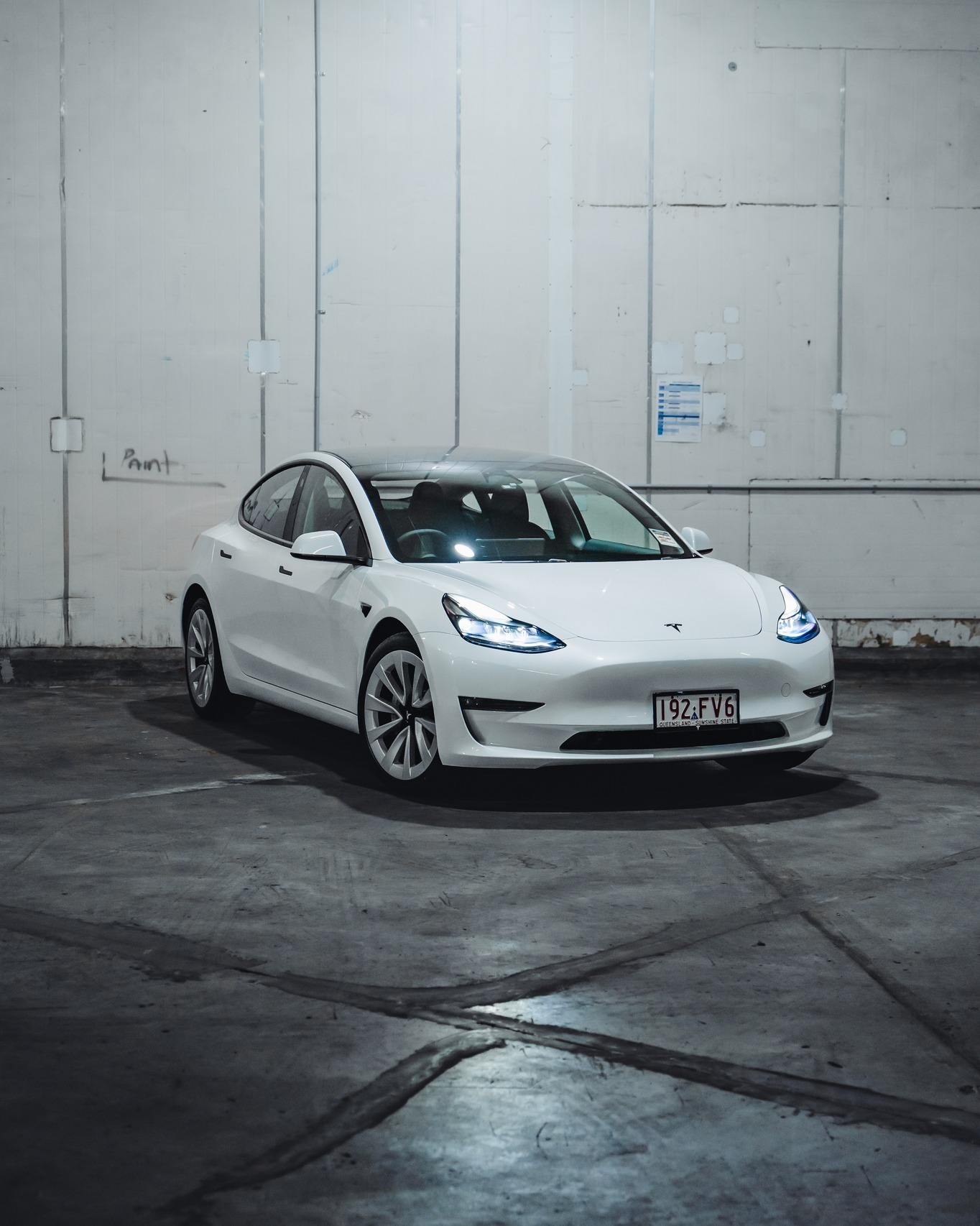
Paint protection film (PPF) can be worth it for a Tesla if you want to limit stone chips and surface wear on the panels that take the most abuse. It is most compelling for a new car, a car that travels regularly on highways, or an owner who cares about keeping the original finish. It is less compelling if you are happy to accept some cosmetic wear, drive very little, or expect the film to pay for itself at resale. The right decision depends on your driving, your budget and the coverage you choose.
PPF is a transparent film fitted over painted panels. It puts a replaceable physical layer between the paint and small stones, road grit, insects and light contact. Quality film can also recover from some fine surface marks with warmth. It does not make a vehicle scratch-proof: a hard impact can cut the film, reach the paint or damage a panel. The film itself needs cleaning and care, and it may eventually need replacement.
That distinction matters when comparing PPF with ceramic coating. A coating can make washing easier and change how water behaves on the surface, but it is too thin to provide the same physical barrier against stone chips. Some owners combine the two. Others choose one based on the problem they actually want to solve.
The front bumper, bonnet, front guards and mirrors are the usual starting point because they face traffic debris. Depending on your driving, the A-pillars, leading roof edge and lower sills may also deserve protection. On a Model Y, the painted boot loading lip and rear bumper top can be scuffed by prams, luggage or shopping. Parking and daily use may make door edges or handle areas worthwhile additions.
You do not need to protect every painted panel to get a useful result. A full-front package focuses the budget on the exposed impact zone. Full-car coverage also protects the sides and rear, but costs substantially more. Ask for a written panel list so that “full front” or “full car” means the same thing to you and the installer.
Protect Wraps explains its model-specific options for Model 3, Model Y, Model S and Model X on its Tesla paint protection service page. A panel plan should reflect the exact model year and how the car is used, rather than a generic Tesla package.
PPF makes the strongest practical case when a car is new or the paint is already in good condition; when it sees frequent motorway or country driving; when the owner intends to keep it for years; or when chips on the front end would be particularly frustrating. Film can take the wear on those panels, and a damaged section may be replaceable without refinishing the entire car. The install cost is an upfront expense for a more predictable appearance, not a guaranteed financial return.
If the car already has chips or scratches, discuss paint correction and touch-ups before filming. Clear film does not erase damage underneath. If you mainly drive short, low-speed urban trips and do not mind normal signs of use, a careful wash routine and timely chip repair may be a better use of money. PPF is optional, not a requirement for owning a Tesla.
Full-front film is often the best first quote to obtain. It protects the panels most likely to be hit by road debris while keeping the scope manageable. For a Model Y that carries family gear, ask for the boot loading lip and rear bumper top as separate line items. For regular gravel-road use or an owner who wants the same finish across every panel, request a full-car comparison.
Ask the installer to identify the film brand and finish, the exact panels, how edges will be finished, whether any existing paint work is needed and what the film and workmanship warranties actually cover. A clear quote is more useful than a headline package name. It also lets you compare like with like if another installer includes headlights, pillars or sills while one does not.
Tesla PPF is a significant purchase. The price changes with coverage, vehicle size and shape, paint condition, film choice and preparation. Protect Wraps does not publish a fixed Tesla package price; the workshop provides a vehicle-specific quote. Our separate Model Y PPF cost guide explains how to compare quotes and current public Australian price examples.
Film may help keep the paint looking better, which can matter to a future buyer. That does not prove it will add more to the sale price than it cost. Treat a resale benefit as possible rather than guaranteed. The direct benefit is enjoying a cleaner finish and worrying less about the everyday wear your own driving would otherwise cause.
Follow the installer's curing and first-wash instructions. Wash gently using suitable products and clean cloths; do not assume the film eliminates maintenance. Bird droppings, insects and contamination should still be removed promptly. Avoid abrasive polishing on the film unless the installer specifically advises it. Tesla's Australian Model Y owner's manual also covers routine exterior care and paint-chip repair for the vehicle itself.
Check the film periodically, especially exposed edges and high-wear areas. If an edge lifts or a panel takes a hard hit, ask the installer to inspect it before pressure washing or trying to remove it yourself.
Choose it if avoiding chips on the front and other high-wear panels matters enough to justify the quote. Start with the panels most likely to take damage, then decide whether full-car protection is worth the extra cost for your use. Skip it if normal cosmetic wear does not bother you or if the package would strain your budget. No film can promise a damage-free car or a resale profit.
If you want a panel-by-panel recommendation, ask Protect Wraps for a Tesla PPF quote. Tell the team your model and year, usual driving, and the areas that concern you most so the proposed coverage is useful rather than excessive.