Share
What Is PPF?
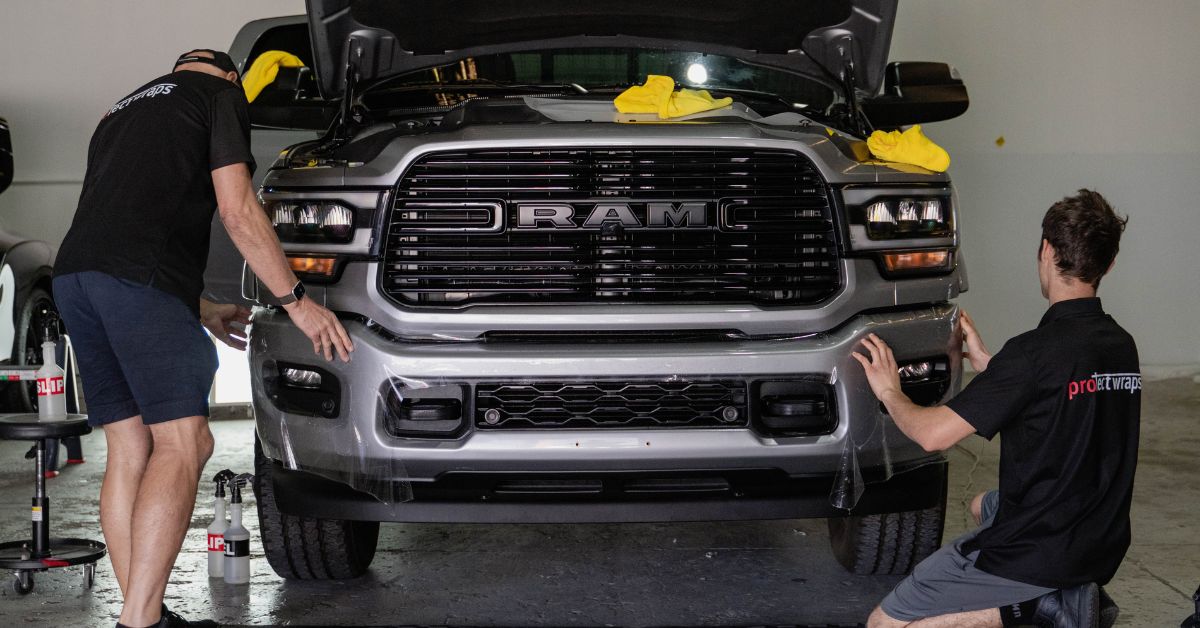
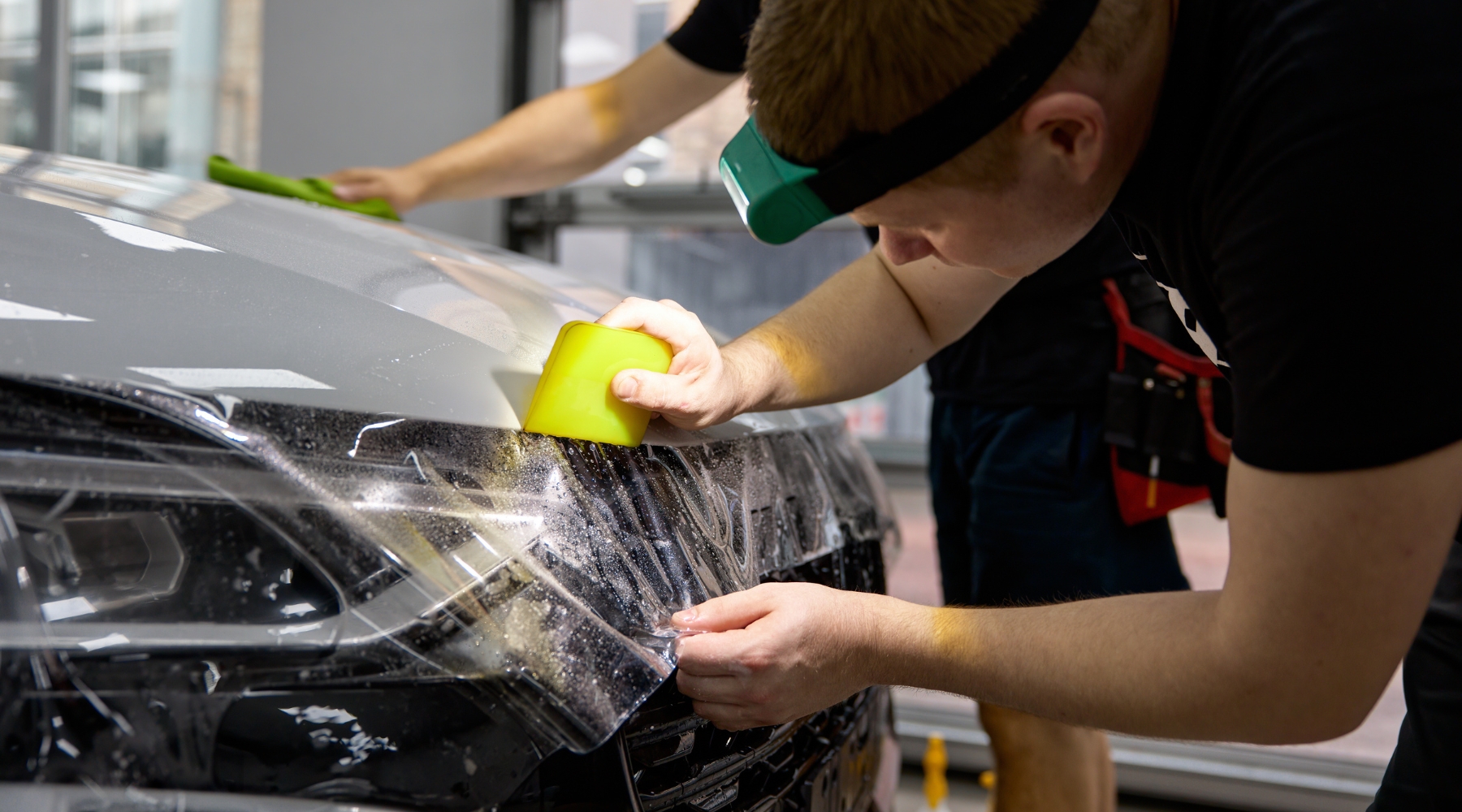
Paint Protection Film (PPF) is a clear, high-performance polyurethane film applied directly to your vehicle’s painted exterior panels. It acts as a physical, sacrificial barrier between the road and your factory paint, absorbing impacts from stone chips, gravel, scratches and road debris before they can reach the surface beneath.
Protect Wraps PPF comes in at 200 microns thick, making it some of the thickest film available to consumers in Australia. It is self-healing, meaning minor surface marks can fade and disappear with heat from sunlight or a warm panel. It is available in clear or satin finishes and is backed by a lifetime warranty on every installation.
PPF is installed in precisely cut sections per panel, which means if a specific area is damaged it can be replaced individually rather than redoing the entire vehicle. For drivers in Brisbane and the Gold Coast looking to understand their full coverage options, the paint protection Brisbane page has detailed service and package information.
What Is Ceramic Coating?
Ceramic coating is a liquid polymer applied to a vehicle’s exterior that chemically bonds with the factory paint, creating a hard, durable layer on the surface. Unlike wax or sealants that sit on top of the paint and degrade with washing, ceramic coating forms a semi-permanent bond and does not wash away with regular maintenance.
It delivers superior resistance to minor scratches, chemical stains, bird droppings, tree sap and environmental pollutants. It also provides an ultra-glossy, hydrophobic finish that repels water and makes ongoing cleaning significantly easier. The hydrophobic surface means mud and grime have a harder time bonding to the paint and wash away more readily.
Protect Wraps offers automotive ceramic coating tailored to Australian conditions, with comprehensive quality guarantees and ongoing customer support to help you maintain your vehicle’s finish long after the application is complete.
Key Differences: Protection, Durability and Cost
When PPF Is the Better Choice
PPF is the stronger option when your primary concern is physical damage. It is the only paint protection coating that can absorb the impact of stone chips, gravel strikes and road debris before they reach your paint. If you drive on highways, unsealed roads or in conditions where your vehicle is regularly exposed to flying debris, PPF provides a level of protection that ceramic coating cannot match.
Protect Wraps offers PPF packages across a range of coverage levels, from key impact zones through to full vehicle coverage. Visit the Protect Wraps service areas page to find your suburb and get in touch to discuss the right package for your vehicle.
When Ceramic Coating Is the Better Choice
Ceramic coating is the better choice when your priority is enhanced gloss, easier cleaning and long-term protection against chemical damage, UV exposure and environmental contaminants. It creates a hard, durable surface layer that makes your vehicle significantly easier to wash and maintain, and keeps the paint looking polished for years.
Ceramic coating does not provide meaningful protection against stone chips or physical impacts. If protecting against physical damage is important for your vehicle and driving habits, PPF remains the more appropriate solution.
Can You Use Both PPF and Ceramic Coating Together?
Yes, and for many vehicle owners this is the ideal approach. PPF and ceramic coating are not mutually exclusive. Many drivers protect high-impact areas such as the bonnet, guards, bumper and mirrors with PPF, then apply ceramic coating over the film and across remaining panels to gain the benefits of both. The result is comprehensive protection covering physical impacts, UV damage, chemical contaminants and enhanced ease of cleaning.
PPF applied to the bonnet, guards, bumper, mirrors and headlights provides a physical barrier against stone chips and road debris where your vehicle needs it most.
Ceramic coating applied over the PPF and across remaining panels adds hydrophobic properties, enhanced gloss and chemical protection, while making ongoing cleaning significantly easier.
The Protect Wraps team can advise on the right combination for your specific vehicle, driving conditions and budget. Contact our team at either our Geebung or Arundel locations, or call 1300 300 100 to book a consultation.
FAQs: PPF vs. Ceramic Coating
Leave A Comment
Paint Protection Film • Geebung & Arundel, QLD What Is Paint Protection Film and Is It Worth It? Your car’s paint faces more threats every day than most people realise. Here’s what paint protection film actually is, what it does, and whether it makes financial sense for your vehicle. Get a Free Quote → 200µm [...]
4WD Paint Protection • Geebung & Arundel, QLD Bushwrapz vs Custom PPF: What’s the Difference for 4WDs? Both promise to protect your 4WD’s paint. But the differences in installation, coverage, warranty and long-term value are significant. Here’s what you need to know before you decide. Get a Free Quote → Bushwrapz DIY Kit Product VS [...]
Paint Protection Film • Complete Guide The Ultimate Guide to Car Paint Protection Film: What You Need to Know Everything you need to know about PPF wrap, from how it works to whether it’s worth the investment for your vehicle. 200µm Film Thickness Lifetime Warranty Self Healing Film Clear or Satin Finish What Is Paint [...]