Share
What Is Paint Protection Film?
Paint protection film (PPF) is a clear, high-performance polyurethane film applied directly to a vehicle’s painted exterior surfaces. It acts as an invisible, self-healing shield that protects against stone chips, scratches, UV damage and environmental contaminants, helping preserve your car’s paintwork and resale value for years.
Also referred to as a PPF wrap or car paint protection film, this technology has become one of the most effective ways to maintain a vehicle’s factory finish in Australia’s demanding driving conditions. It is optically clear and, once professionally installed, virtually invisible on the vehicle’s surface.
Unlike wax or sealant coatings that wear away and need reapplication, PPF is a physical barrier. It does not break down with regular washing and does not require repeated treatment to maintain its protective properties.
How Does PPF Work?
Think of PPF as a clear sacrificial layer bonded over your factory paint. When a stone chip, scratch or piece of road debris makes contact with your vehicle, the film absorbs the impact rather than your clear coat taking the damage.
One of PPF’s most remarkable features is its self-healing capability. Minor surface marks, light swirl marks and small abrasions can fade and disappear when the film is exposed to heat, either from direct sunlight or a warm panel from driving.
For more stubborn minor marks, gently warming the affected panel with a hair dryer can trigger the film’s self-healing properties. Within seconds, the surface can restore itself to its original appearance.
If damage to the film is more significant, PPF is installed in precisely cut sections per panel. This means a damaged section can be replaced individually rather than redoing the entire vehicle, making ongoing maintenance significantly more cost-effective than repainting.
What Does Paint Protection Film Protect Against?
PPF is engineered to defend against the most common causes of paint damage on Australian roads and in everyday use:
Gravel and highway debris that strike at speed are among the most common causes of paint damage. PPF absorbs these impacts directly.
Surface scratches from car park mishaps, brush contact and everyday wear affect the film rather than your factory paintwork beneath.
Australia’s intense UV exposure causes paint fading and oxidation over time. PPF provides a UV-resistant layer that helps preserve gloss and colour.
Bird droppings, tree sap, road grime and insect residue all carry properties that can etch and stain unprotected paint. PPF provides a barrier against all of these.
The film’s hydrophobic surface also makes cleaning easier, as mud and grime have a harder time bonding to the protected surface and wash away more readily than from bare paint.
How Long Does Paint Protection Film Last?
With correct care, PPF is designed to protect your paint for years by absorbing everyday wear including stone chips, light scratches and staining. Protect Wraps backs every PPF installation with a lifetime warranty as standard, reflecting confidence in both the product and the quality of its application.
Quality of installation – Professionally installed PPF using pre-cut templates and refined technique will last significantly longer than DIY or poorly fitted film.
Maintenance habits – Regular washing with PPF-safe products and avoiding high-pressure washing directly on film edges will extend the life of the film.
Driving conditions – Vehicles regularly driven on unsealed roads or in harsh environments may require section replacements over time, but this is far more cost-effective than panel repaints.
The warranty on Protect Wraps PPF covers defects in the film itself. It is worth discussing the specific terms of coverage at the time of your consultation to understand what is included for your vehicle and package.
Is Paint Protection Film Worth It?
For most vehicle owners, the answer comes down to a simple comparison: the cost of PPF now versus the cumulative cost of paint correction, spot repairs and panel resprays over the life of the vehicle. Paint damage is not an if, it is a when. Every stone chip left unaddressed can lead to corrosion beneath the surface and mounting repair bills.
Beyond the cost savings, PPF has a direct impact on resale value. A vehicle with well-maintained paintwork and a documented PPF installation is more attractive to buyers and can command a meaningfully higher price than a vehicle with visible paint wear and chip damage.
PPF is particularly worth considering if you:
How Is PPF Applied?
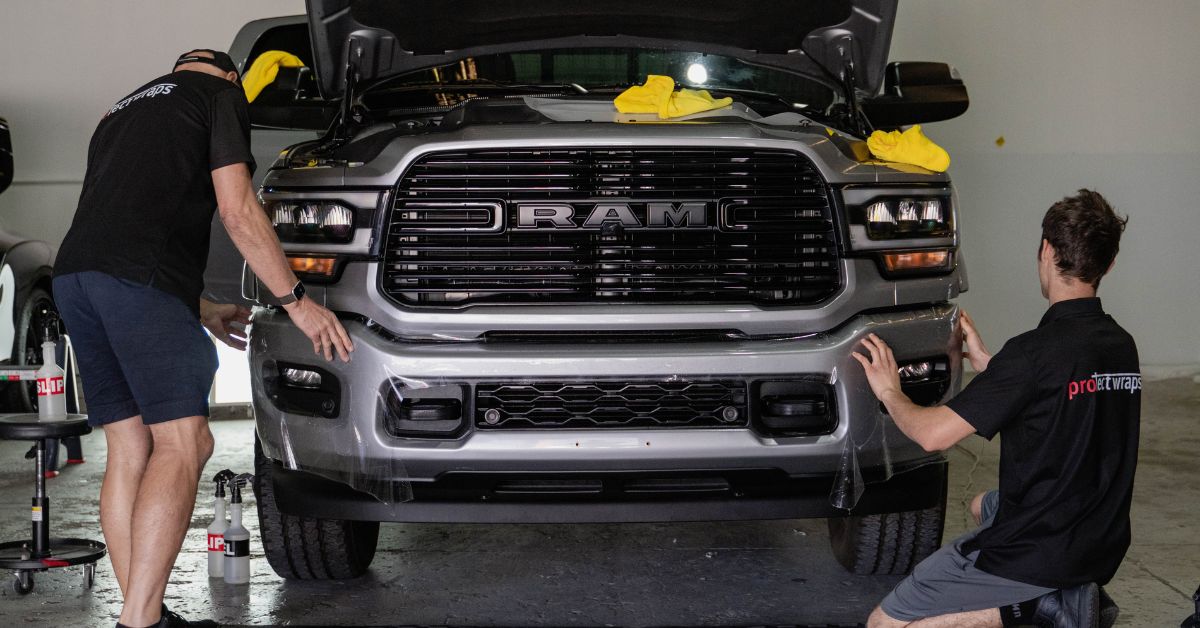
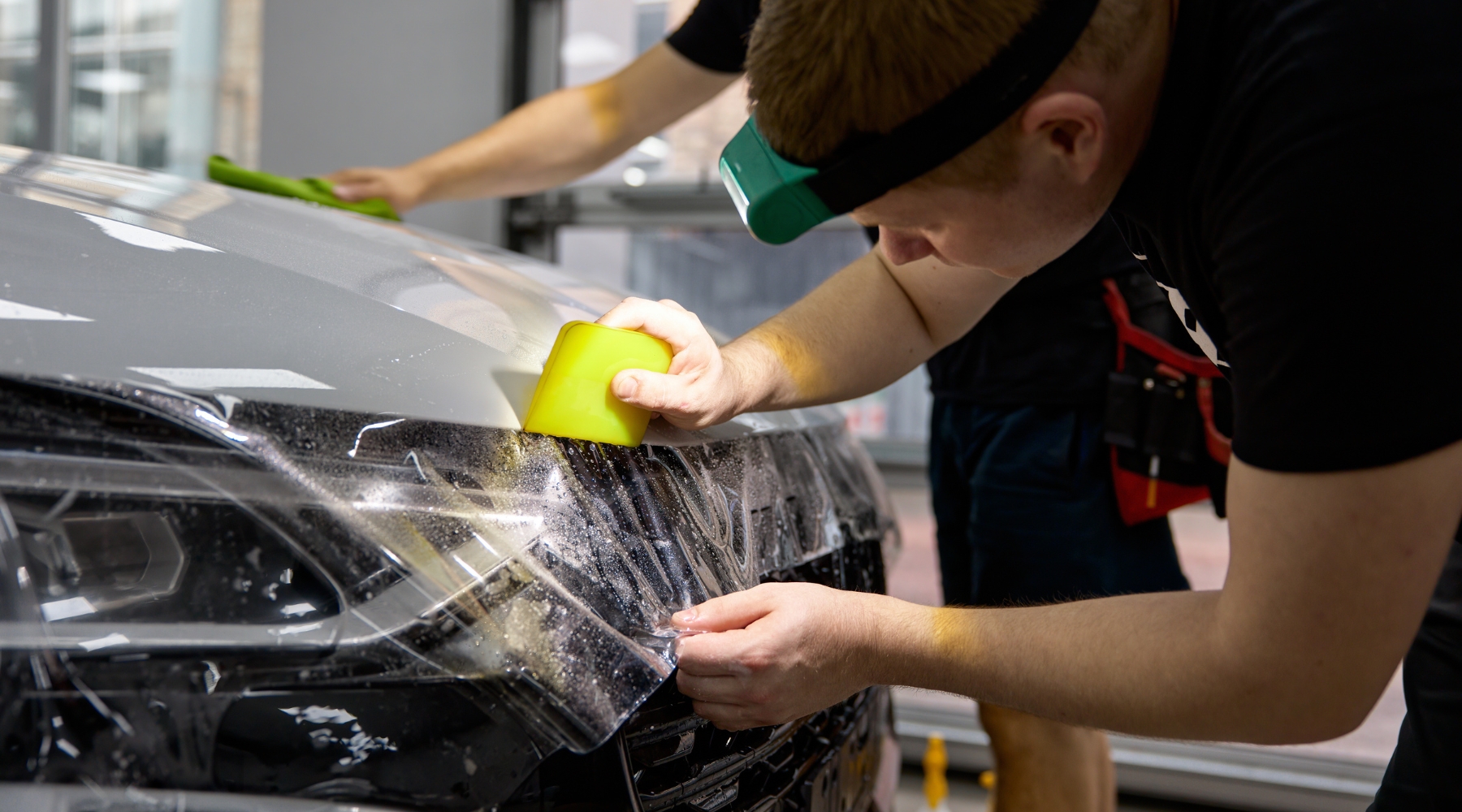
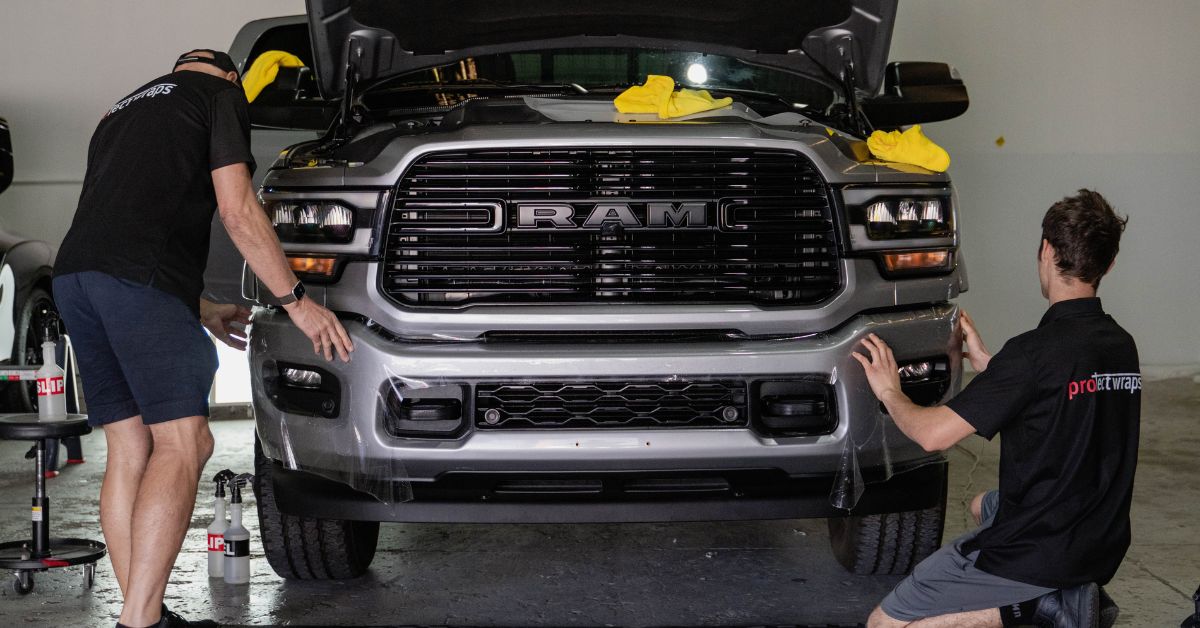
Professional PPF installation requires skill, precision and the right environment. At Protect Wraps, every installation uses pre-cut templates tailored to each vehicle model, combined with a refined process that prioritises fit, finish and minimal risk to your existing paintwork.
Protect Wraps offers PPF services across Queensland. Whether you’re based in Brisbane or on the Gold Coast, visit the paint protection film Brisbane page or the paint protection film Gold Coast page for location-specific information.
Timeframes depend on your vehicle size and the coverage level you choose. Protect Wraps confirms installation schedules before booking so you know exactly what to expect.
FAQs: Paint Protection Film
Leave A Comment
Car Paint Protection • Geebung & Arundel, QLD PPF vs. Ceramic Coating: Which Car Paint Protection Is Right for You? Two of the most effective ways to protect your vehicle’s paint, but they work differently and suit different needs. Here’s how to choose the right option for your car, lifestyle and budget. Get Expert Advice [...]
Understanding PPF lifespan is a big part of deciding whether paint protection film is worth it. The reality is that PPF lifespan varies based on sun exposure, driving conditions, how the car is washed, and the quality of the film and installation. If you want tailored advice on expected PPF lifespan for your vehicle, request [...]
Choosing between PPF vs ceramic coating is one of the most common questions Brisbane drivers ask when they want to protect their paint and keep their car looking new. The best option depends on how you drive, where you park, and what kind of protection you actually need. Choose PPF if you want the strongest [...]