
PPF vs ceramic coating: which one does your car need?
This plain-English guide to PPF vs ceramic coating explains what each one actually does, where they differ, when each is the smarter buy and why so many owners end up using both.
The short answer before we dig in
They solve different problems, so the comparison is less "which is better" and more "which job needs doing".
If you only remember one thing from this guide, make it this: Paint Protection Film is physical armour, and ceramic coating is a glossy, slick, easy-clean skin. Film takes the hit from a stone chip. Coating makes the paint shine and shed dirt. They are not really rivals, and the right choice depends on how and where you drive.
Most people land in one of three camps. You want genuine impact protection on the parts of the car that get sandblasted by road debris, in which case film leads. You want a deep showroom finish that is faster to wash and holds up to sun and contaminants, in which case coating leads. Or you want both, which is what a lot of owners of new and prestige cars choose.
The rest of this guide unpacks what each product is, exactly where they differ, when one beats the other and how the combined approach works in practice.
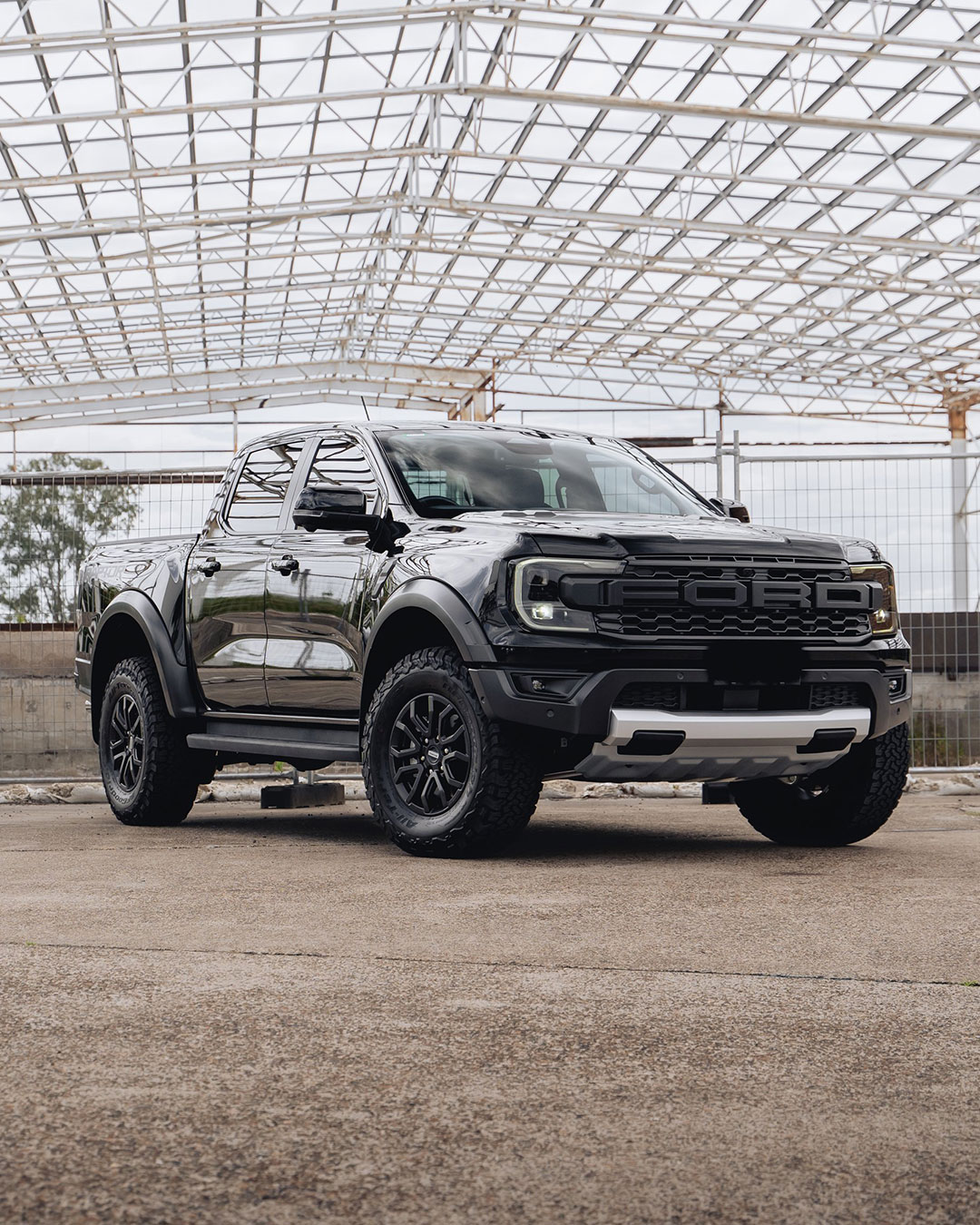
What is Paint Protection Film?
A thick, clear, self-healing urethane film that physically absorbs impacts.
Paint Protection Film, often shortened to PPF, is a transparent polyurethane film bonded to the painted surface of your car. The quality film we install is around 200 microns thick, which is among the thickest available to consumers in Australia. That thickness matters, because the film works as a sacrificial barrier: it sits over your factory paint and takes the abuse that would otherwise chip, scratch or scar the finish underneath.
Good film is also self-healing. Light swirls and fine scratches in the surface fade on their own with heat from the sun or warm water, so the film keeps looking clean. It is optically clear, so it disappears on the paint, and it is also available in a satin finish if you want a matte look. Because it is cut from precision templates and applied panel by panel, individual sections can be replaced later without redoing the whole car.
If you want the full background on the material, our guide to what is Paint Protection Film covers how it is made and applied in more detail.
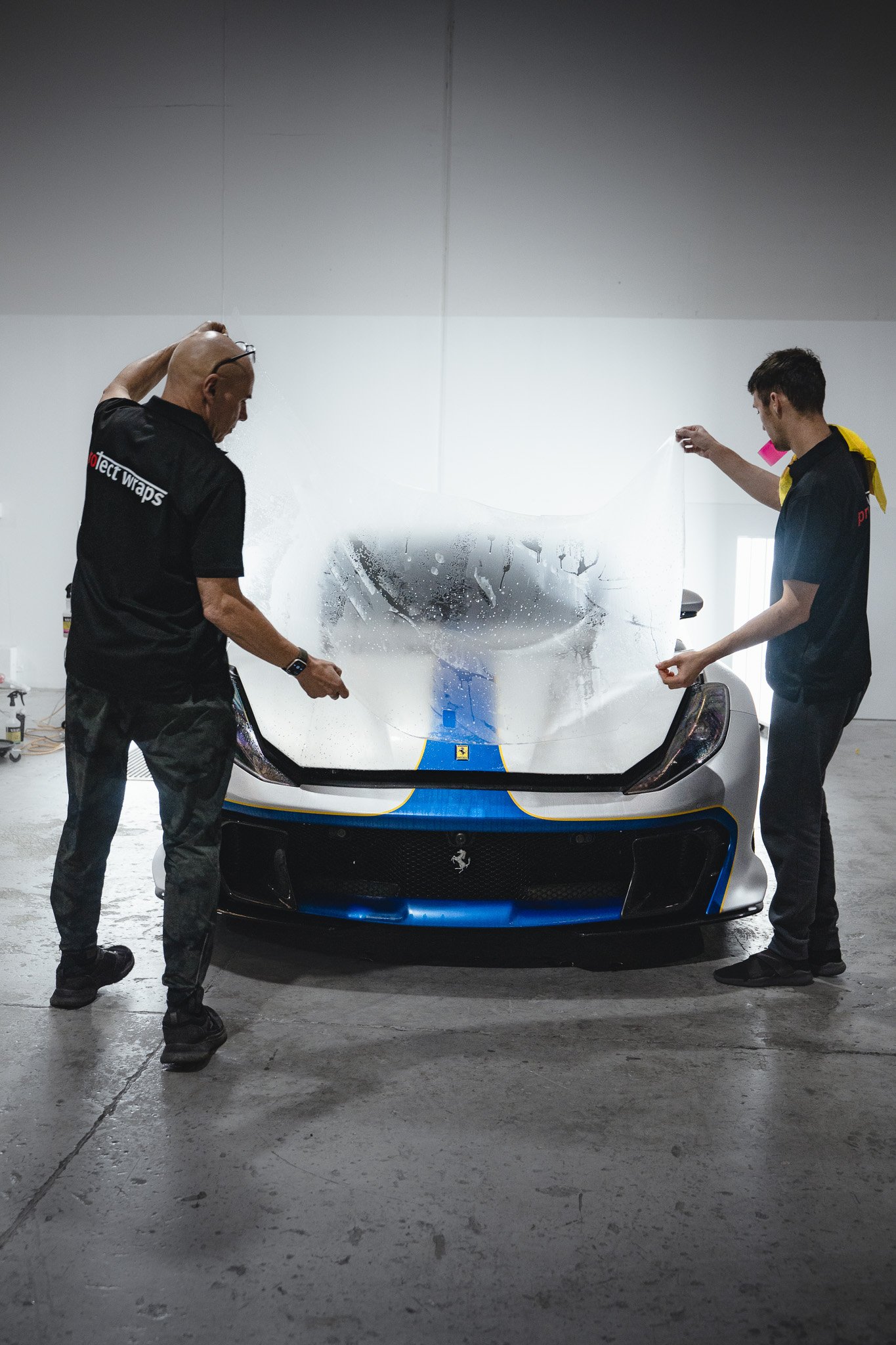
What is ceramic coating?
A liquid nano-ceramic that cures into a hard, glossy, hydrophobic layer bonded to your paint.
Ceramic coating is a liquid product applied to the paintwork that chemically bonds to the factory clear coat and cures into a hard, transparent layer. Unlike a wax or sealant that washes away in a matter of weeks, a quality coating stays put for years and keeps working the whole time.
What you get is threefold. First, a deeper, richer gloss that sharpens reflections and lifts your colour. Second, a slick, hydrophobic surface where water beads and sheets off, taking a lot of the dirt with it, so washing is quicker and gentler. Third, added resistance to UV fading, bird droppings, tree sap, bug splatter and the light marring that everyday washing causes.
What it does not do is stop a rock chip. A coating is microns-thin and rock hard, but it has no cushion to absorb a physical impact. That single limitation is the heart of the whole PPF vs ceramic coating decision.
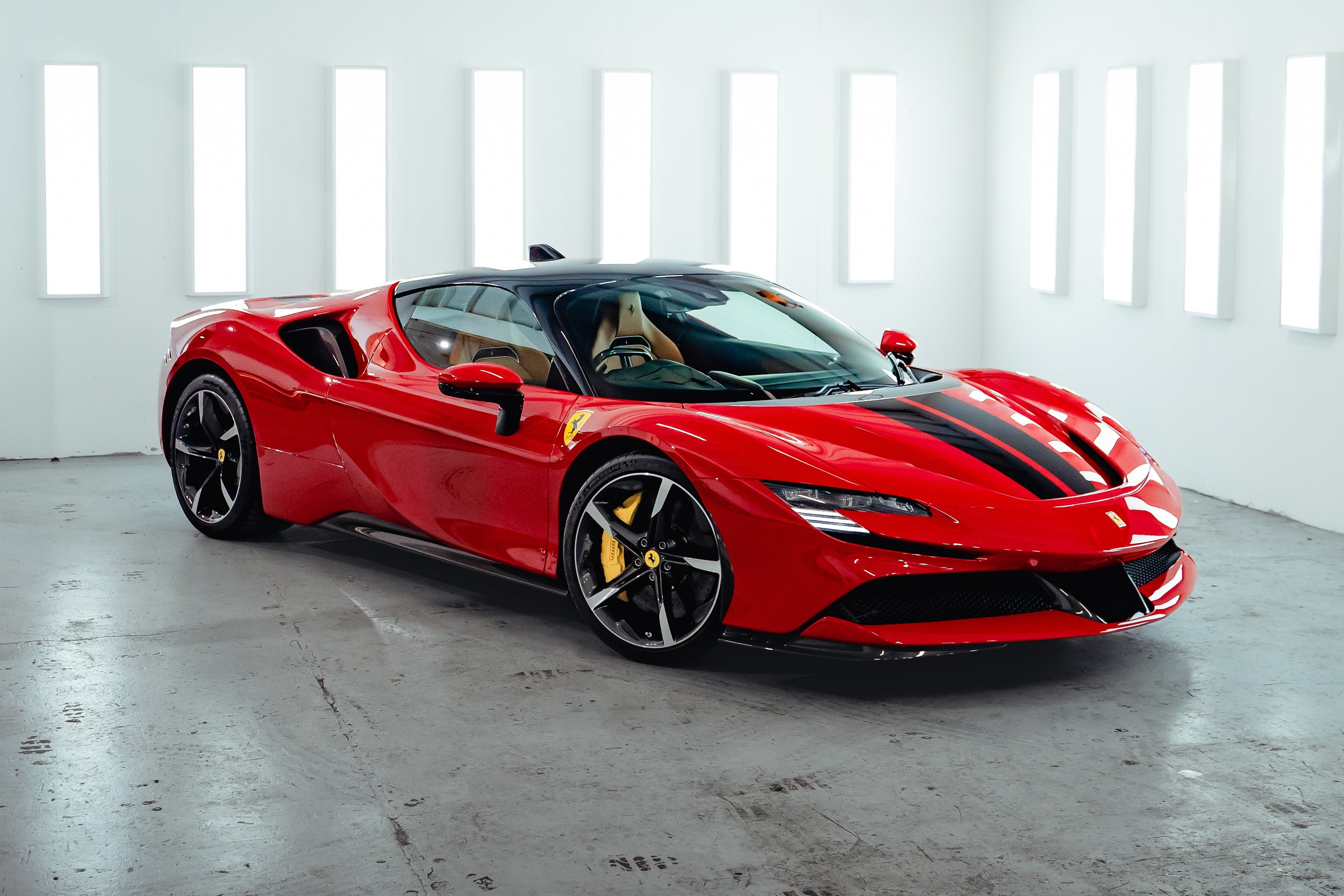
The key differences in PPF vs ceramic coating
Impact protection, gloss and easy-clean, durability and cost. Here is how they line up.
Physical impact protection
Film wins outright. Its thickness and flexibility absorb stone chips, road debris and many scratches. Ceramic coating adds hardness and scratch resistance, but it cannot cushion an impact, so it will not stop a chip on its own.
Gloss and easy cleaning
Coating wins here. It delivers that deep wet-look shine and a slick hydrophobic surface that makes washing faster. Film protects beautifully and looks clear, but coating is the product built for gloss and effortless upkeep.
Durability
Both are long-term products rather than seasonal top-ups. Quality film is backed by a lifetime warranty and is built to last many years, while a professional coating lasts several years with the right washing. Film generally has the longer service life of the two.
Cost
Film carries the higher upfront cost because it is a precision, labour-intensive install. Coating costs less to apply. For value over years of ownership, many owners find film on the high-impact areas pays for itself by avoiding chip repairs and respray costs.
UV protection
Both help here. Film and coating each add a layer of defence against UV fading and oxidation, which matters under the strong Australian sun where unprotected paint can dull faster than owners expect.
Repair and removal
Film is applied in panel sections, so a damaged area can be replaced on its own, and it can be removed without harming healthy paint. A coating is refreshed by reapplication rather than spot repair when it eventually wears.
When PPF is the better choice
If your car faces physical hazards, film is the product doing the heavy lifting.
Highway and rural driving
Lots of open-road kilometres mean constant exposure to flying gravel and stone chips. Film on the front of the car is the most effective defence.
New and prestige vehicles
On a new or high-value car, keeping the original factory paint flawless protects both the look and the resale value, which is exactly what film is built to do.
4WDs and off-road use
Gravel tracks, scrub and beach salt are brutal on paint. Film is the natural fit, which is why we cover it in detail for 4WD owners.
In short, choose film first whenever the main threat is something physically hitting the car. You can explore the full service on our Paint Protection Film page.
When ceramic coating is the better choice
If your priorities are gloss, easy washing and sun and contaminant defence, coating leads.
Mostly urban driving
City and suburban driving sees fewer flying stones and more dirt, dust and contaminants. A coating keeps the car cleaner with far less effort.
You want a showroom finish
If a deep, glossy, wet-look shine is the goal, coating is the product designed to deliver it and to keep that look longer than wax ever could.
Harsh sun and contaminants
Under strong UV, with bird droppings and tree sap a constant battle, a coating adds the chemical and UV resistance that helps paint hold its colour.
Choose coating first when there is little physical hazard and the real wins are appearance and ease of maintenance. See the full service on our Ceramic Coating page.
The combined approach: film first, then ceramic
For many owners the smartest answer is not one or the other, but both, in the right order.
Because film and coating do different jobs, they layer together beautifully. The proven approach is to apply Paint Protection Film to the high-impact panels first, then apply ceramic coating over the whole car, including over the film.
The high-impact zones that benefit most from film are the bonnet, front bumper, front guards, mirrors and headlights, since these take the brunt of road debris. With those armoured, a coating goes over the entire vehicle to add gloss, the hydrophobic easy-clean surface and UV and contaminant resistance everywhere, film and bare paint alike. Ceramic applies fine over compatible film, so the whole car ends up slick and uniform.
The result is the best balance available: physical impact protection where you need it, plus showroom gloss and minimal-effort washing across the board. It costs more upfront than either product alone, but for new, prestige and long-term-ownership vehicles it is usually the best long-term value.
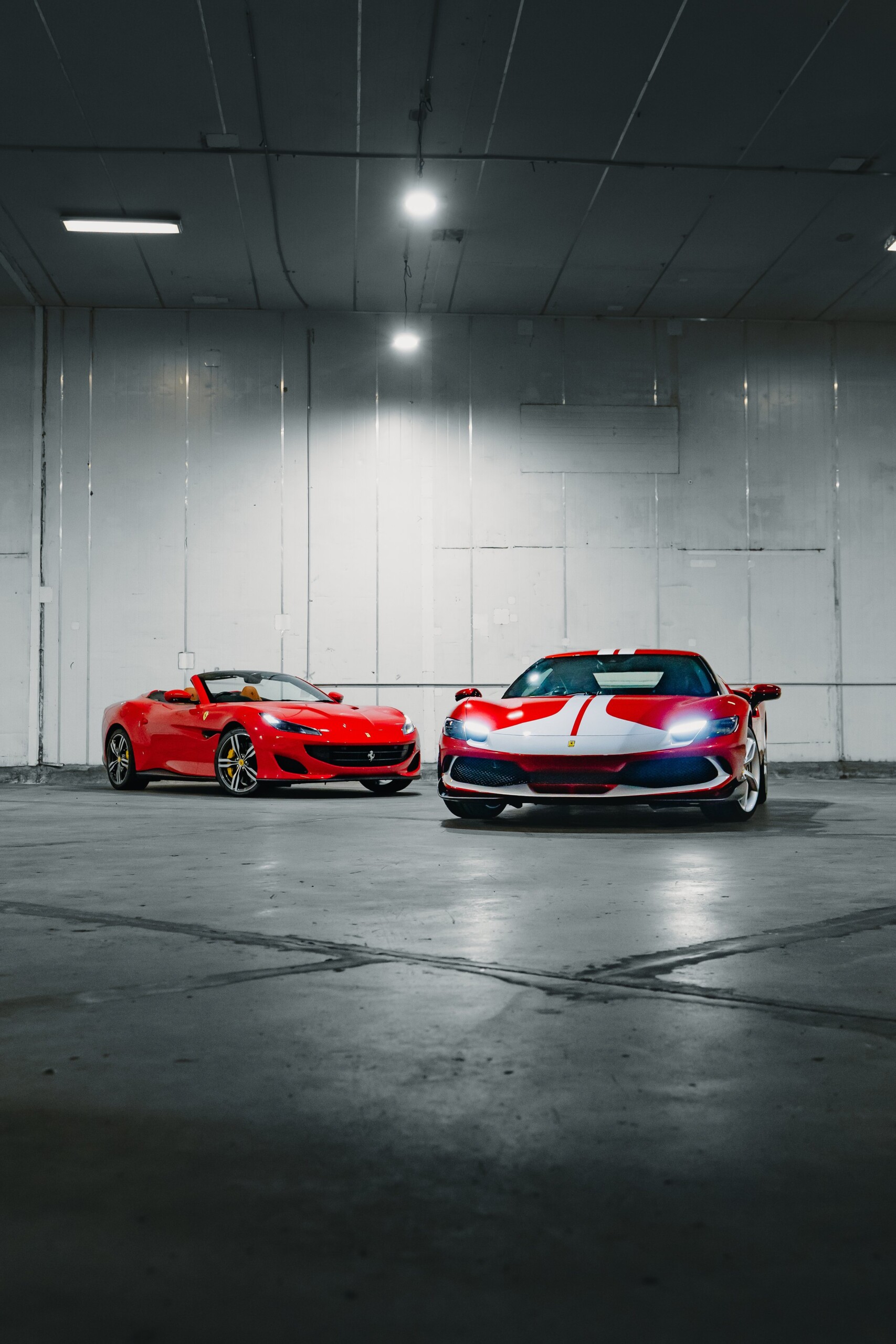
Keeping protected paint at its best
A little gentle upkeep keeps both products performing for years.
Whichever way you go, looking after protected paint is straightforward. Wash with a pH-neutral shampoo, a soft mitt and clean microfibre towels, rinse off grit before you make contact, and skip harsh automatic car washes and strong chemicals. The hydrophobic surface does much of the work, so most owners find upkeep faster and gentler than caring for uncoated paint.
Climate is a big reason owners in this part of the country protect their cars at all. UV exposure is one of the harshest things a finish endures, and the Bureau of Meteorology UV index shows just how intense Australian sun can be. Add summer storms, road grime and highway debris, and you have a strong case for film, coating or both.
If you are weighing up options for your own car, the simplest next step is a quick chat. Tell us how and where you drive and we will recommend the right mix without any pressure.
PPF vs ceramic coating FAQs
The questions owners ask most when deciding between the two.
Is PPF or ceramic coating better?
Neither is universally better, because they do different jobs. Paint Protection Film is the only one that absorbs stone chips and physical impacts, while ceramic coating adds gloss, a hydrophobic easy-clean surface and chemical and UV resistance. If physical protection matters most, choose film. If appearance and easy washing matter most, choose coating. Many owners choose both.
Can you put ceramic coating over PPF?
Yes, and it is a common choice. Compatible film can be coated to add slickness and a uniform glossy finish across the whole car. The usual order is film on the high-impact panels first, then ceramic coating over the entire vehicle, including over the film.
Does ceramic coating stop stone chips?
No. A coating is hard and thin, so it resists light scratching and chemicals but has no cushion to absorb an impact. To protect against stone chips and road debris you need Paint Protection Film on the panels at risk.
Which one lasts longer?
Both are long-term products. A professional ceramic coating lasts several years with proper washing, while quality film is built to last many years and is backed by a lifetime warranty. Film generally has the longer service life of the two.
Is the combined approach worth the extra cost?
For new, prestige and long-term-ownership vehicles, usually yes. Film on the high-impact areas protects the paint that is most exposed, and ceramic over the whole car adds gloss and easy cleaning everywhere. It costs more upfront but tends to be the best long-term value.
How do I decide for my car?
Think about where and how you drive. Lots of highway, rural or off-road kilometres point to film first. Mostly city driving with appearance and easy upkeep as the priority points to coating. If you want both protection and gloss, the combined approach is ideal. Contact us with your vehicle details and we will recommend the right option.
Still not sure which is right for your car?
Tell us how and where you drive and our team will recommend film, ceramic coating or the combined approach. No pressure, just honest advice.